

Why Does My Makeup Get Oily So Fast? A Step-by-Step Routine for Oily Skin

You finish your makeup, check the mirror, and everything looks balanced. An hour or two later, your forehead catches every light, your nose feels slick, and the foundation around it starts looking uneven. You add powder, but by afternoon your skin looks shiny and your makeup looks thick.
If you keep asking, “Why does my makeup get oily so fast?” the answer may involve more than your foundation. Natural skin oil, perspiration, the finish of your skincare, and the amount of makeup you apply can all affect what you see.
The goal is manageable shine and comfortable wear. Completely oil-free skin all day is neither a realistic requirement nor a measure of a successful routine.
First, Check Whether You Are Seeing Oil, Sweat, or Product Shine
These can appear together, and appearance alone cannot identify the cause with certainty. Still, noticing when and where the change happens can help you choose a useful adjustment.
| What you notice | What may be contributing | First adjustment to try |
| Gradually increasing shine across the forehead, nose, or chin | Skin oil accumulating on the surface | Blot gently, then reassess before powdering |
| Moisture beads after walking outside or dancing | Perspiration | Cool down and gently blot moisture |
| A glossy finish immediately after application | The finish or amount of skincare and makeup | Review unnecessary layers and illuminating products |
| Foundation breaks into patches around the nose | Oil, moisture, friction, or how the layers wear together | Reduce buildup and repair only the affected area |
| Shiny skin with visible flakes or tightness | Oiliness alongside dryness or irritation | Reassess harsh cleansing and irritating products |
Why Your Makeup May Look Oily So Quickly
Your skin continues producing oil while you wear makeup. Foundation does not switch that process off. Products that initially look matte can become shinier as the day goes on, and makeup may move where oil, moisture, and repeated contact accumulate.
Your routine can also add more shine than you intended. A rich moisturizer, luminous sunscreen, glow primer, radiant foundation, and finishing mist may each look attractive alone. Together, their finish may be glossier than you want. That does not make the products bad; it means their combined effect may not match your preference.
More coverage is not always the answer. Thick foundation and repeated powder touch-ups can leave a visible layer while shine continues appearing underneath. Similarly, a “long-wear” label does not automatically mean strong oil control, and “waterproof” does not guarantee resistance to oil or rubbing.
Step 1: Cleanse Gently
Start with a gentle cleanser rather than trying to scrub your skin completely free of oil. A tight, squeaky feeling is not a useful target. The American Academy of Dermatology recommends gentle cleansing up to twice daily and after sweating, without scrubbing. AAD guidance for oily skin
Avoid introducing several exfoliating or acne-treatment products just to improve makeup wear. Irritated skin can be harder to apply makeup over, and a makeup routine is not a substitute for an appropriate skincare treatment plan.
Step 2: Moisturize Without Creating Unnecessary Layers
Oily skin can still need moisturizer. Choose a texture that feels comfortable, and consider oil-free or non-comedogenic options, especially if you also experience breakouts. These labels are useful starting points, not guarantees of shine-free wear or zero reactions. AAD oily-skin recommendations
You do not need to stack several hydrating products before foundation simply because each has a different name. Try a simpler routine and allow it to settle. If your cheeks feel dry but your forehead gets slick, adjust your preparation by area rather than treating the entire face identically.
Step 3: Keep Sunscreen in the Routine
For daytime protection, choose a broad-spectrum, water-resistant sunscreen with SPF 30 or higher. Non-comedogenic formulas may be worth considering for oily or acne-prone skin. Apply and reapply according to the label; shade and protective clothing also matter. AAD sunscreen guidance
Do not reduce the sunscreen amount to make foundation sit better, or mix it into foundation to thin the layers. Instead, test a sunscreen finish you find comfortable and simplify optional products around it. Give sunscreen time to settle as directed before applying makeup.
Step 4: Use Primer Only Where It Helps
Primer is optional. If your makeup consistently becomes shiny or moves in the T-zone, try a small amount of a primer intended for that concern in that area. You may not need it across your cheeks or around your eyes.
Use a trial day to compare your routine with and without primer. If there is no meaningful improvement, you can leave it out. A primer cannot permanently shrink pores or guarantee that foundation will stay unchanged through every temperature and activity.
Step 5: Apply Foundation in Thin, Controlled Layers
Begin with less foundation than you think you need. Blend a thin layer, then add coverage only where uneven tone remains. For individual blemishes or marks, precise concealer placement may avoid the need for more foundation across the whole face.
A matte or natural-matte finish may suit your preferences, but the driest-looking formula is not automatically the best choice. Check comfort and wear after several hours. Around the nose, use light pressure and avoid repeatedly adding product to an area where it already tends to collect.
Step 6: Set Strategically With Powder
Apply a small amount of setting powder to areas that become shiny or where creamy makeup tends to move. A small brush or puff makes it easier to control placement around the nose, forehead, and chin.
Press or sweep lightly without repeatedly working the same area. Heavy “baking” is not required for oily skin, and more powder does not necessarily mean better-looking wear. Check your face in daylight before adding another layer. You can keep cheeks softer and more luminous while setting the center of your face.
Step 7: Treat Setting Spray as an Optional Finishing Step
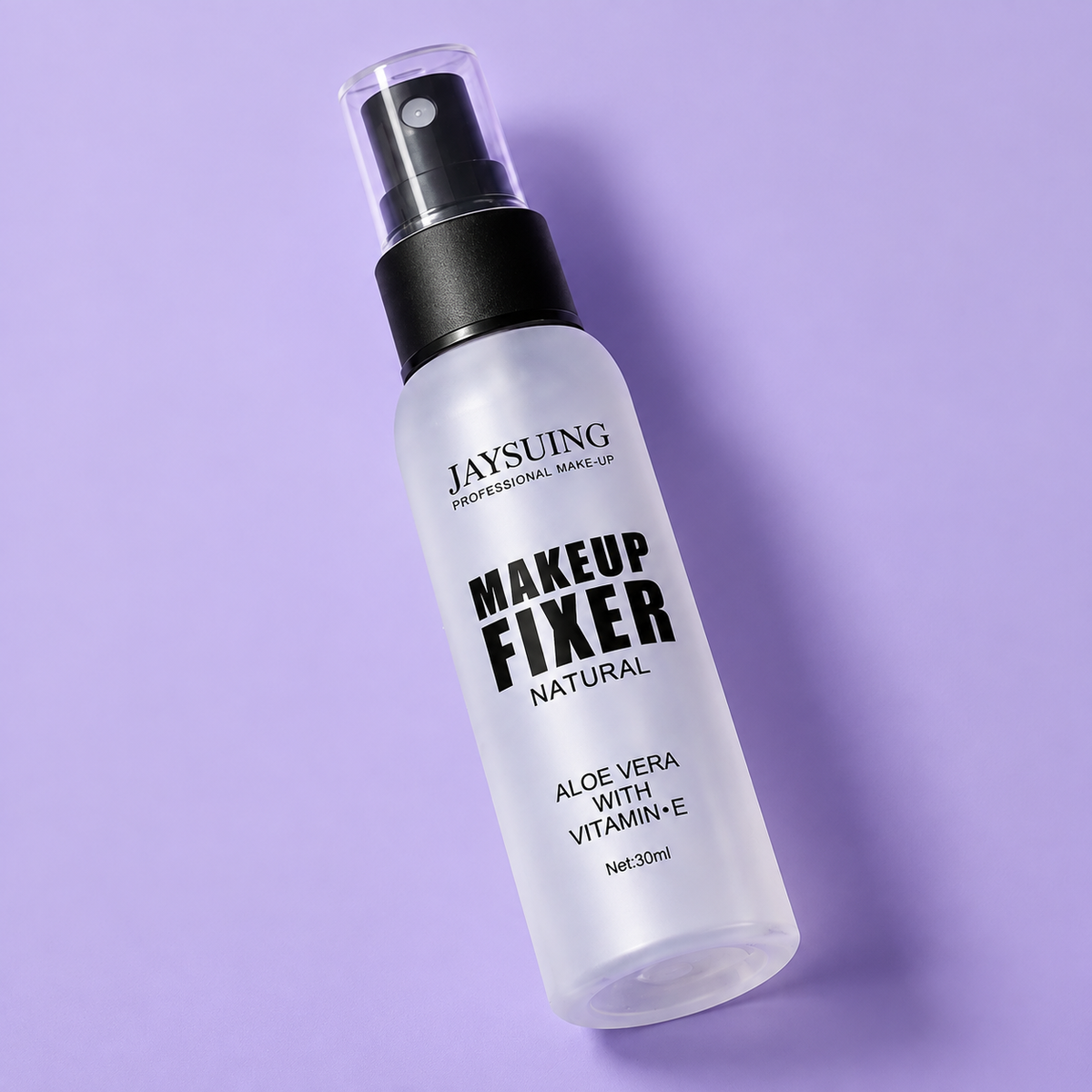
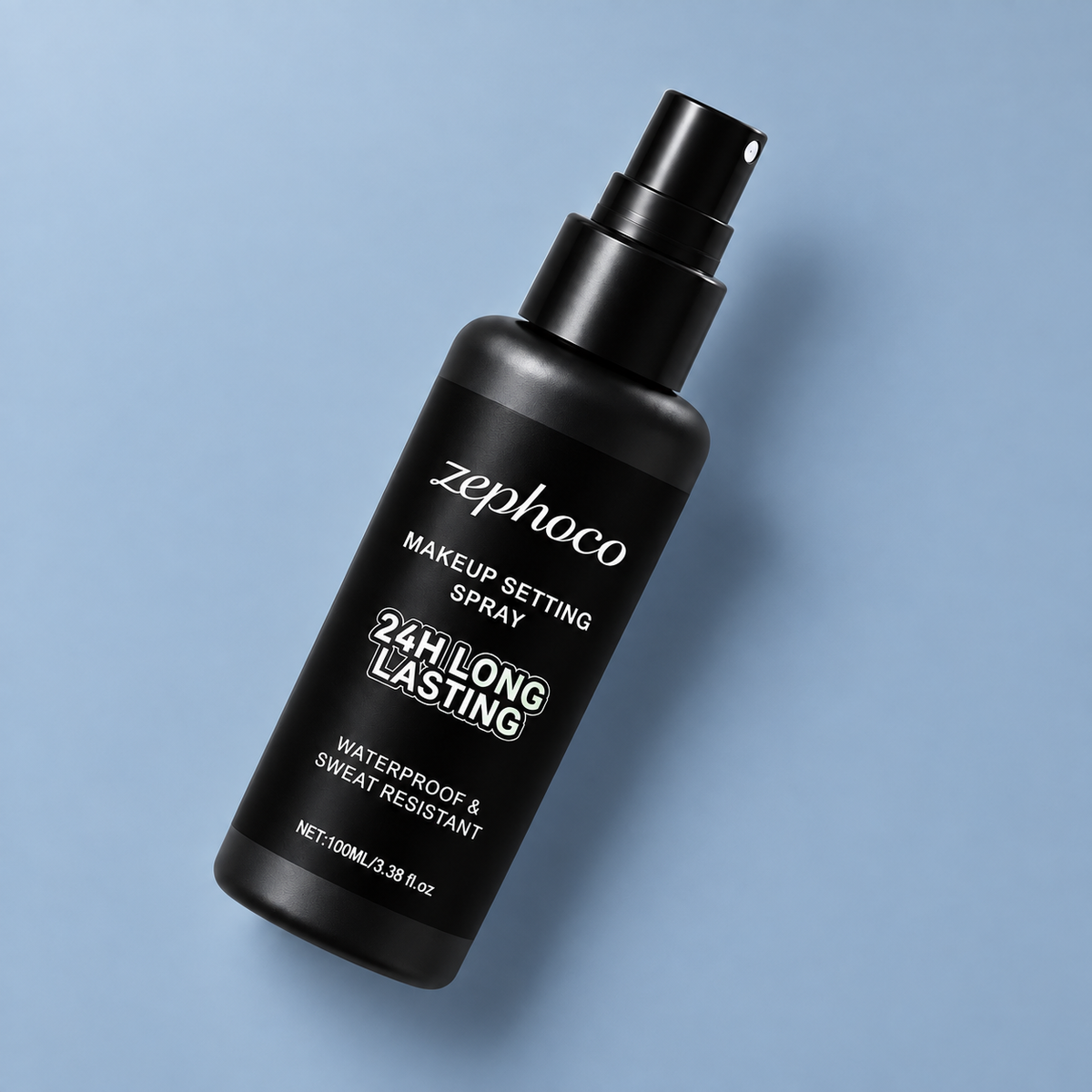
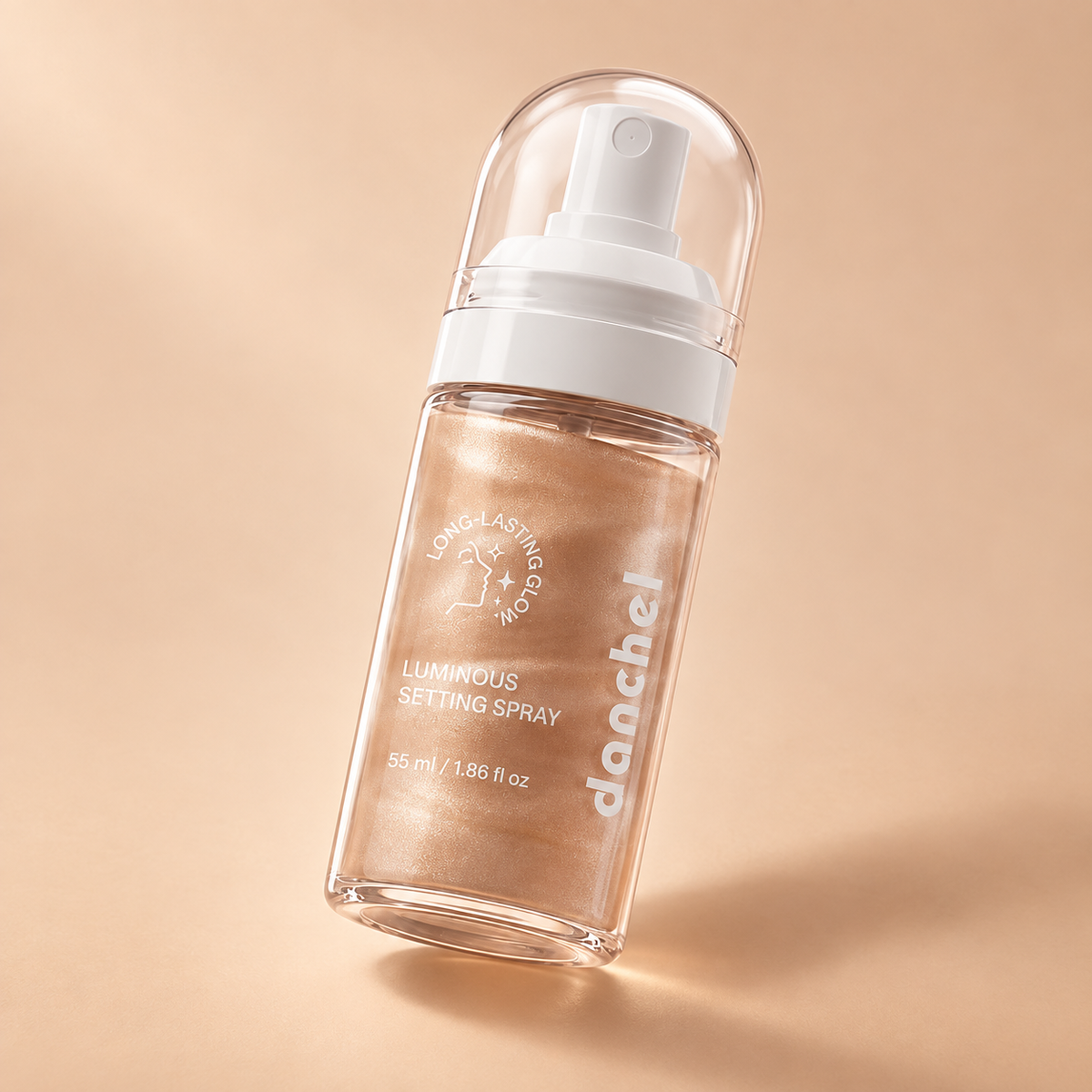
Setting sprays serve different purposes. Some are designed to help makeup wear; others mainly refresh the finish or add glow. Read the intended use rather than assuming every spray controls oil.
Follow the label for distance and quantity, close your eyes and mouth, avoid inhaling the mist, and let it dry without touching your face. A spray may help the overall result, but it cannot stop oil production, remove excess foundation, or turn every formula into transfer-proof makeup.
How to Touch Up Without Making Makeup Cakey
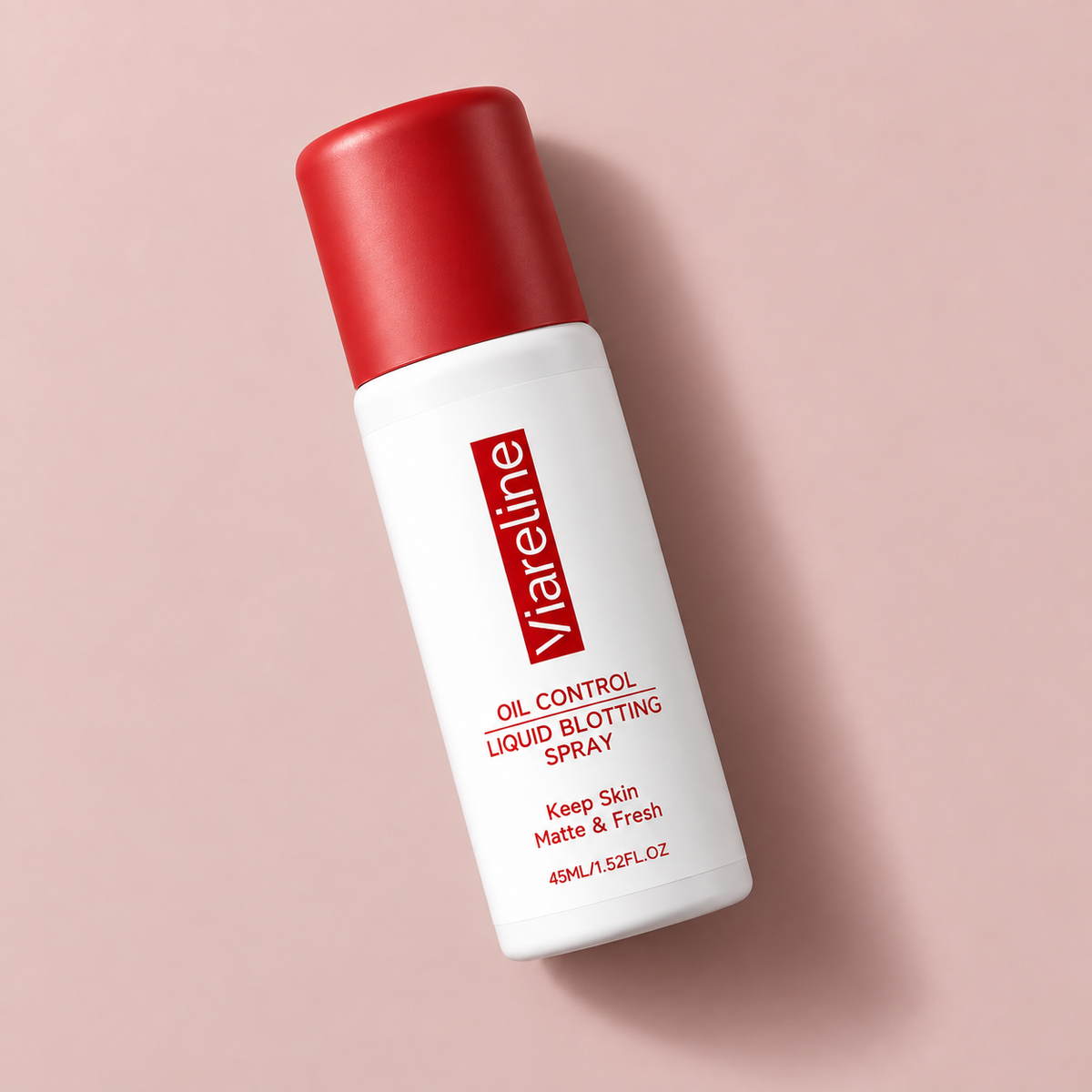
When shine returns, pause before reaching for powder. If you are sweaty, cool down and gently blot moisture first. For surface oil, press blotting paper against the area briefly rather than rubbing it across your face. This pressing technique is also recommended by the AAD.
Once the excess is lifted, check whether your makeup actually needs anything else. If the coverage is intact, a little shine reduction may be enough. If needed, add a small amount of powder only to the shiny area. Where foundation has separated, gently soften the patch with a clean tool and apply minimal coverage rather than powdering over the disruption.
Troubleshoot One Change at a Time
For several ordinary wear days, note when shine appears, where makeup moves, and whether you feel dry or uncomfortable elsewhere. Keep your routine reasonably consistent while testing one adjustment, such as less foundation or skipping an optional glow primer.
Avoid diagnosing the entire problem from “water-based” and “silicone-based” labels. Formulas are more complex than those categories suggest, and application amount, rubbing, preparation, and conditions can all influence the result. Your own repeatable wear test is more useful than a universal compatibility rule.
Frequently Asked Questions
Why is my makeup oily even when I use matte foundation? Matte describes a finish, not a promise that skin oil will never become visible. Preparation, application amount, weather, and your skin’s oil production still affect wear.
Should I skip moisturizer if my makeup gets oily? Not automatically. Try a comfortable, lighter-feeling formula and simplify unnecessary layers. Oiliness and a need for hydration can exist at the same time.
Does oily skin mean my skin is dehydrated? No. A shiny surface alone cannot tell you whether your skin lacks water. Avoid assuming that all oiliness is “dehydration” or that extra hydration will necessarily solve it.
Is setting powder or setting spray better for oily skin? Powder is generally the more direct tool for reducing visible surface shine. A setting spray may help makeup wear, depending on the formula. You can use either, both, or neither based on the result you prefer.
When should I get professional advice? Consider seeing a dermatologist if oiliness is difficult to manage, changes noticeably, or comes with persistent acne or irritation. More makeup layers will not address an underlying skin concern.