

Fall Makeup Trends 2026: Soft Matte, Pearl Glow, and Longwear Looks That Stay Fresh

Fall makeup often starts with a familiar dilemma: you want richer color and a more polished finish, but you still want your skin to look comfortable by the afternoon. A beautifully matte base can turn powdery. A luminous cheek can become shinier than intended. And adding another layer before dinner can make yesterday’s favorite foundation suddenly feel too heavy.
The fall 2026 runways offer room for different finishes. At Erdem, makeup artist Fara Homidi created a natural matte complexion; at Harris Reed, Sofia Tilbury emphasized radiance and dimensional shimmer. Both appeared in the same season. Here is how to translate that range into soft matte and pearl glow looks, then use practical application techniques to help them wear well. Vogue’s Fall/Winter 2026 London beauty report.

Soft Matte: A Diffused Finish With Dimension
Soft matte is a useful starting point if you like a polished base but dislike the feeling of heavy powder. In a September 2026 interview, Homidi described a seasonal direction toward gently diffused skin with some radiance and restrained shine. That offers a wearable interpretation of matte: even-looking coverage, softly blended edges, and enough variation in the finish for skin to retain dimension. Homidi’s autumn makeup outlook.
To try it, apply a thin layer of foundation and use concealer only where additional coverage helps. Once the base has settled, press a small amount of powder onto areas that look overly shiny or tend to move, such as the forehead, sides of the nose, and chin. Check your cheeks before powdering them automatically. They may already have the finish you want.
Soft matte describes appearance, not how dry your skin should feel. If your cheeks feel tight or foundation catches on flakes, adjust preparation and reduce cosmetic buildup there. Combination skin may benefit from different treatment across the face: more targeted setting through the center, lighter coverage elsewhere. A matte finish can still show pores and fine lines; continuing to powder until those disappear usually adds more visible product.

Pearl Glow: Delicate Reflection in Selected Areas
For this guide, pearl glow means a fine, pearlescent sheen that catches the light as your face moves. It is a wearable interpretation of the luminous effects seen this year, including the champagne shimmer makeup artist Andrew Gallimore used at Iris van Herpen’s Fall 2026 couture show. The everyday version can be much more restrained: a little reflection on the cheekbones, with the surrounding complexion softly finished. Vogue’s Fall 2026 couture beauty report.
Begin with one placement, such as the upper cheekbone, and blend the edges carefully. Turn your head in daylight to see how the reflection changes. Choose the undertone and depth according to the effect you enjoy: champagne, rose gold, soft bronze, or a cooler pearl can each create a different result. If the highlight looks like a pale stripe when viewed straight ahead, try a sheerer application or a base shade closer to your complexion.
You can also keep the pearl effect on the eyelids using an eye-area product, leaving the cheeks more subdued. This is useful when reflective cheek makeup emphasizes texture you would rather not highlight. For oily skin, avoid automatically extending shimmer across the entire forehead and nose. A softly matte center and luminous cheekbones can work together, giving you control over where the face reflects light.
Longwear: Make the Finish Work Beyond the First Photo
Longwear is the practical goal behind these looks, rather than a single visual trend. You might want a matte base for a workday or pearl glow for an evening event; either can benefit from a routine that considers movement, comfort, and touch-ups. Application can help, but results still depend on your formulas, skin, environment, and how often makeup is rubbed or touched.
- Prepare according to how your skin feels today. Use familiar skincare and let it settle before makeup. For daytime wear, apply sunscreen according to its directions. If your usual preparation suddenly feels too rich or too light, adjust it before adding more complexion products.
- Build coverage selectively. Start with a thin foundation layer, then reassess. Place extra coverage around discoloration or other areas you want to soften. Keeping the surrounding skin lighter leaves less product to collect around facial movement.
- Give formulas time to settle. Work in manageable sections and follow product directions. Repeatedly blending over a base that is already setting can lift coverage. Applying powder onto a visibly wet or uneven layer may also make the finish harder to control.
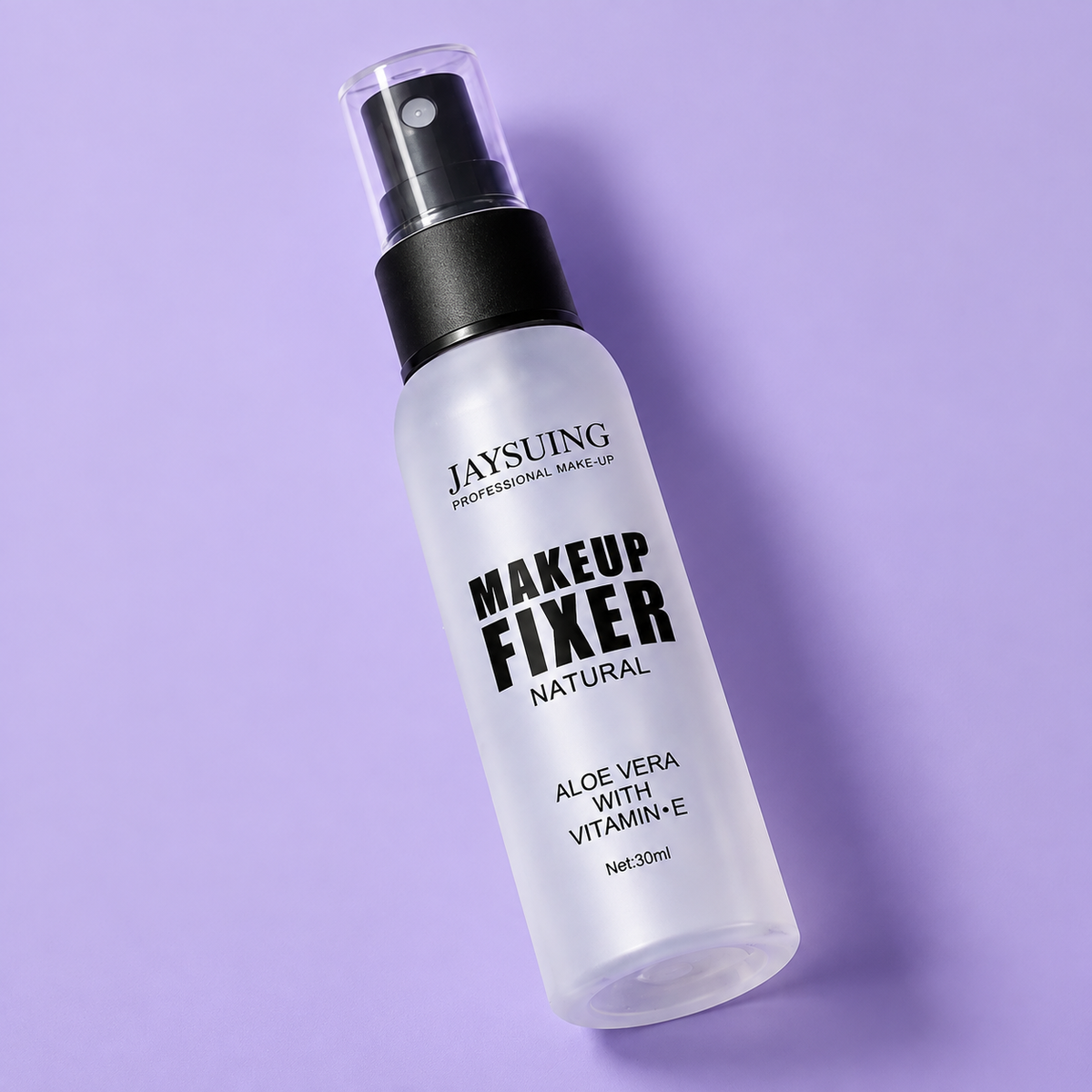
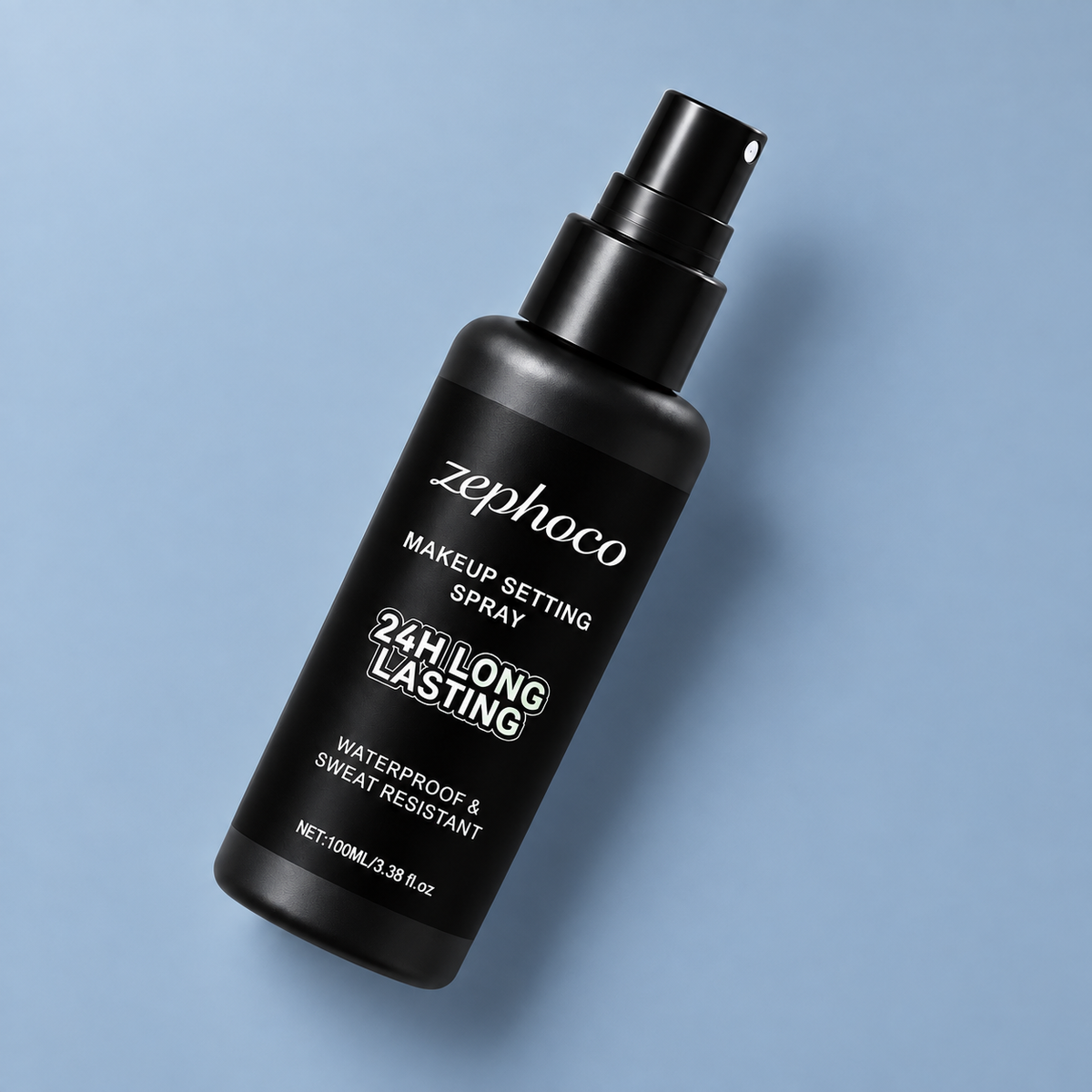
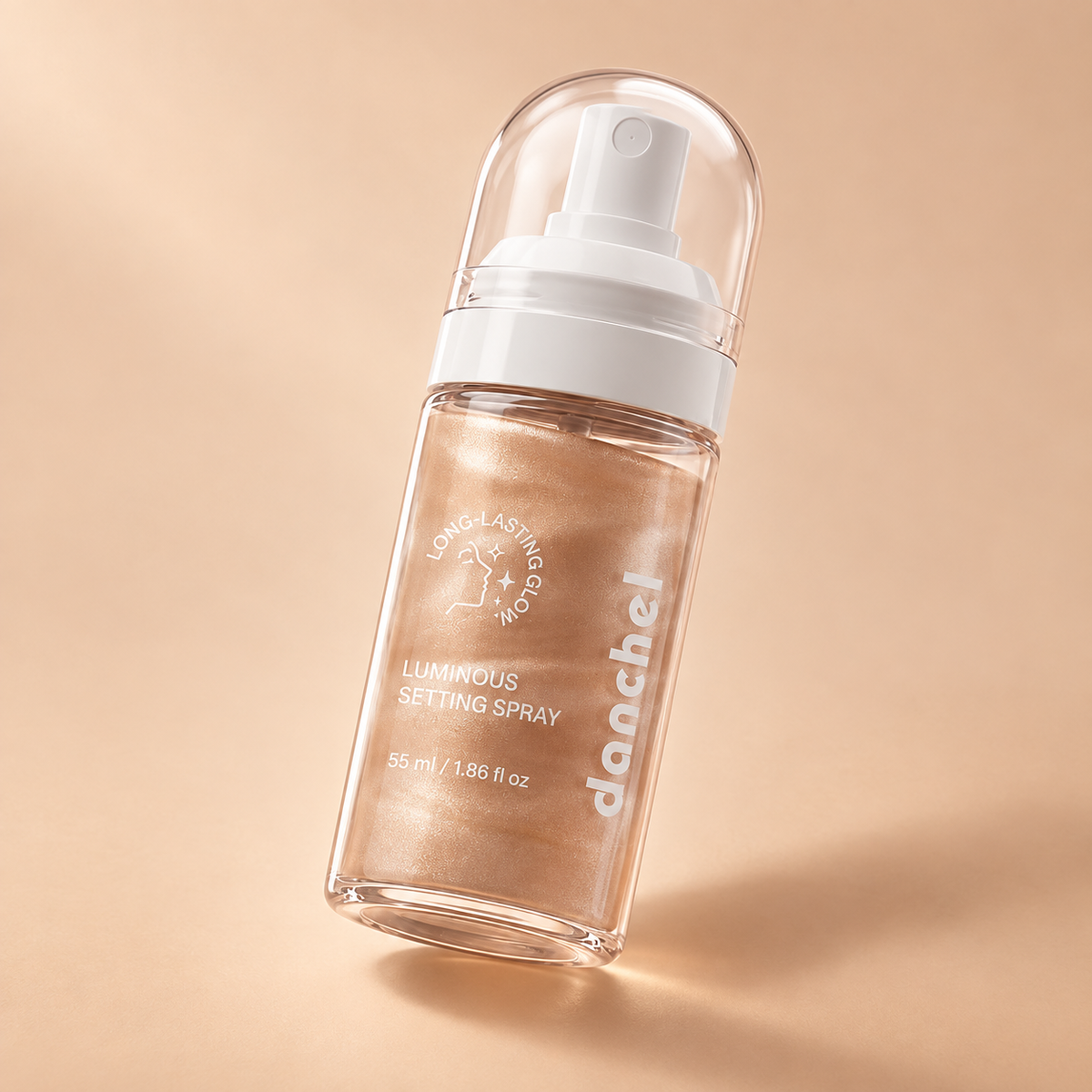
- Set by area and desired finish. Powder where it helps with shine or movement, keeping your chosen glow placement in mind. A setting spray is optional; use it as directed if it works with your routine, and let it dry before touching your face.
- Check contact points. Glasses, a high collar, and resting your face on your hand can disturb makeup. Keep coverage light around areas of frequent friction and bring only what you need for small repairs. No application method guarantees a completely unchanged finish.
Color to Pair With These Finishes
Softly blended brown and taupe eyes are part of Homidi’s autumn 2026 forecast, alongside cooler neutral lips. They offer an easy way to add definition around a restrained base. For more contrast, try a cranberry or berry accent, adjusting its depth to your complexion and preference. You can keep the eyes quiet and make the lip the focal point, or use a diffused eye with a softer mouth. Homidi’s fall color and texture predictions.

Three Wearable Fall Makeup Looks
These combinations are practical interpretations of the season’s finishes, designed to work with familiar application techniques.
| Look | Complexion | Eyes and lips | Freshness strategy |
|---|---|---|---|
| Everyday Soft Matte | Thin foundation, localized concealer, powder through the T-zone | Soft brown definition, rose blush, muted rose lip | Blot excess shine before adding powder |
| Pearl Glow for Dinner | Even base with restrained cheekbone luminosity | A sheer pearl lid and softly defined mauve or neutral lip | Refresh reflection locally instead of adding shimmer everywhere |
| Defined Makeup for a Long Day | Comfortable base with targeted setting | Diffused charcoal or taupe eyes and a berry lip | Repair worn lip color and small coverage gaps separately |

How to Refresh Without Building Up a Heavy Base
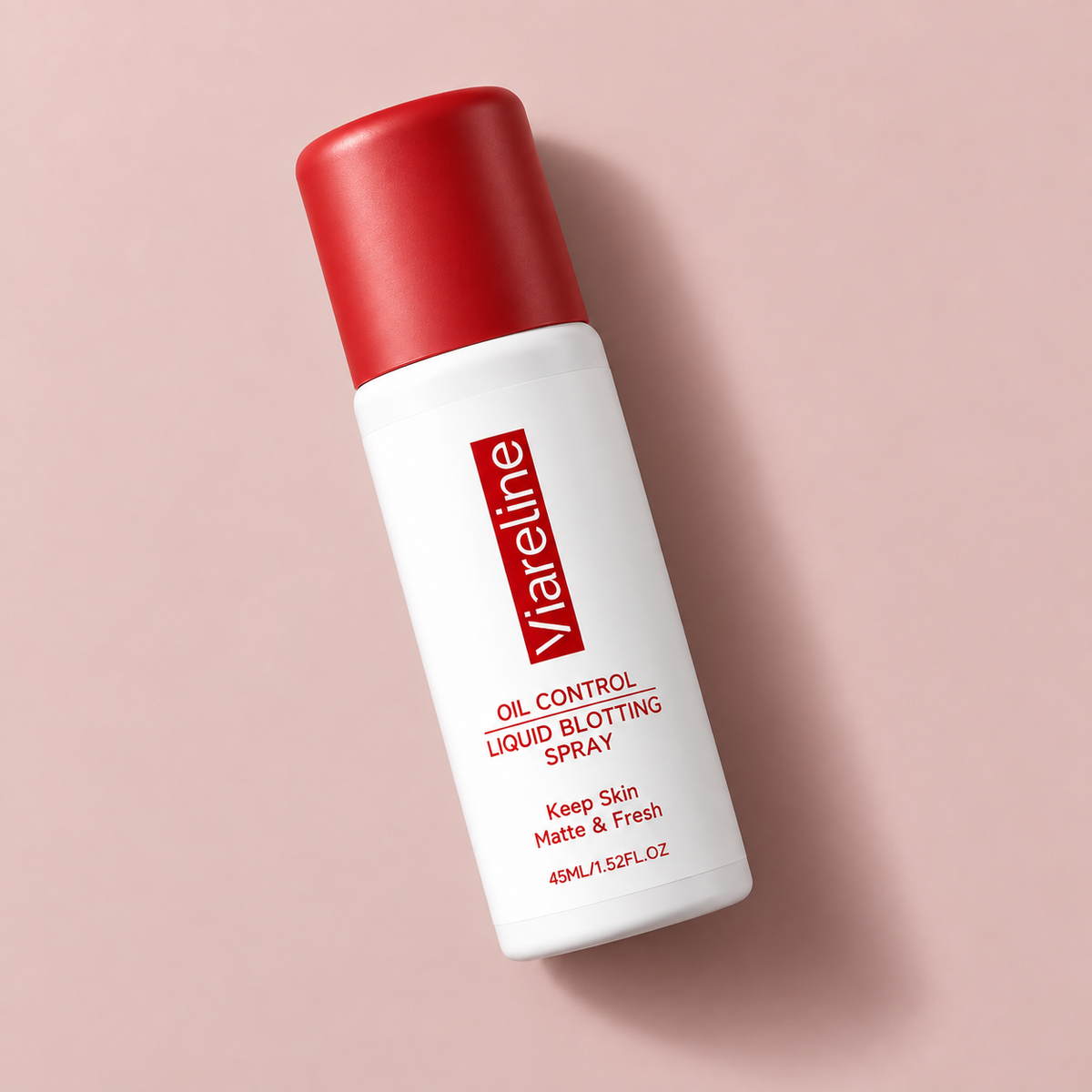
Before touching up, identify what has changed. If the forehead is oily, gently blot and then decide whether it needs powder. If a small patch of foundation has worn away, replace coverage only there. If the cheeks look dry, adding more powder or highlighter may emphasize the problem. A clean sponge with no additional foundation can sometimes help lift excess product, but use light pressure and stop if it disturbs the base.
For an evening refresh, check your makeup in ordinary lighting before adding anything. Restore the lip, tidy the eye area, and reassess your blush or glow placement. If one section has become thick or uneven, removing and redoing that small area may give a cleaner result than layering over it. Restore any sunscreen disturbed during daytime repairs according to its directions.
Frequently Asked Questions
- Is matte makeup back for fall 2026? Natural matte and softly diffused complexions appear in this season’s reporting, alongside luminous looks. You can interpret that direction with targeted powder and lighter coverage. It does not require making every part of your face equally matte.
- Can oily skin wear pearl glow makeup? Yes. Placement gives you flexibility. Try a small amount on the upper cheekbones or use a pearlescent eye look, while managing unwanted shine elsewhere. Assess the finish after a few hours to see whether the shimmer remains where you intended.
- Does longwear makeup have to look matte? No. Finish and wear are different characteristics. A luminous formula may offer lasting wear, while a matte-looking base can still fade or transfer. Choose your desired appearance, then assess how your existing formulas perform with careful application.
- How can dry skin try soft matte? Begin with comfortable preparation, keep coverage light, and use powder sparingly where necessary. Avoid repeatedly powdering flaky areas. A satin base with a little targeted shine control may give you the visual softness you want more comfortably.
- Do I need to replace my makeup for fall? No. Start by changing one detail: soften the edge of your liner, move your highlighter placement, use less powder on the cheeks, or choose a deeper lip color you already own. Small adjustments can change the overall look.
Try one finish change and one color change before reworking your whole routine. A softly set forehead, a little pearl on the cheekbones, or a diffused berry lip can each make familiar makeup feel different. Keep the version that still looks good to you after the commute, the meeting, or the evening out.