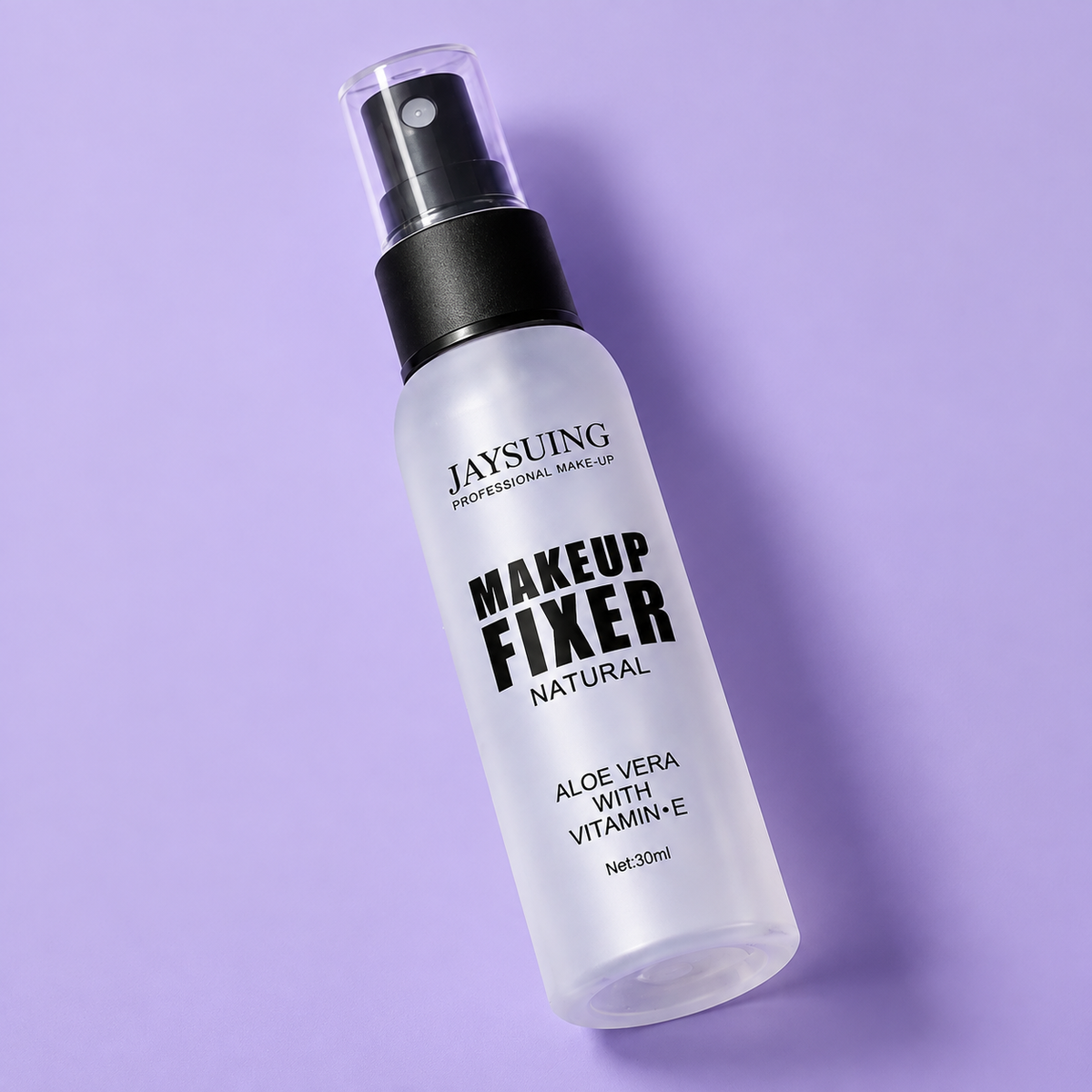
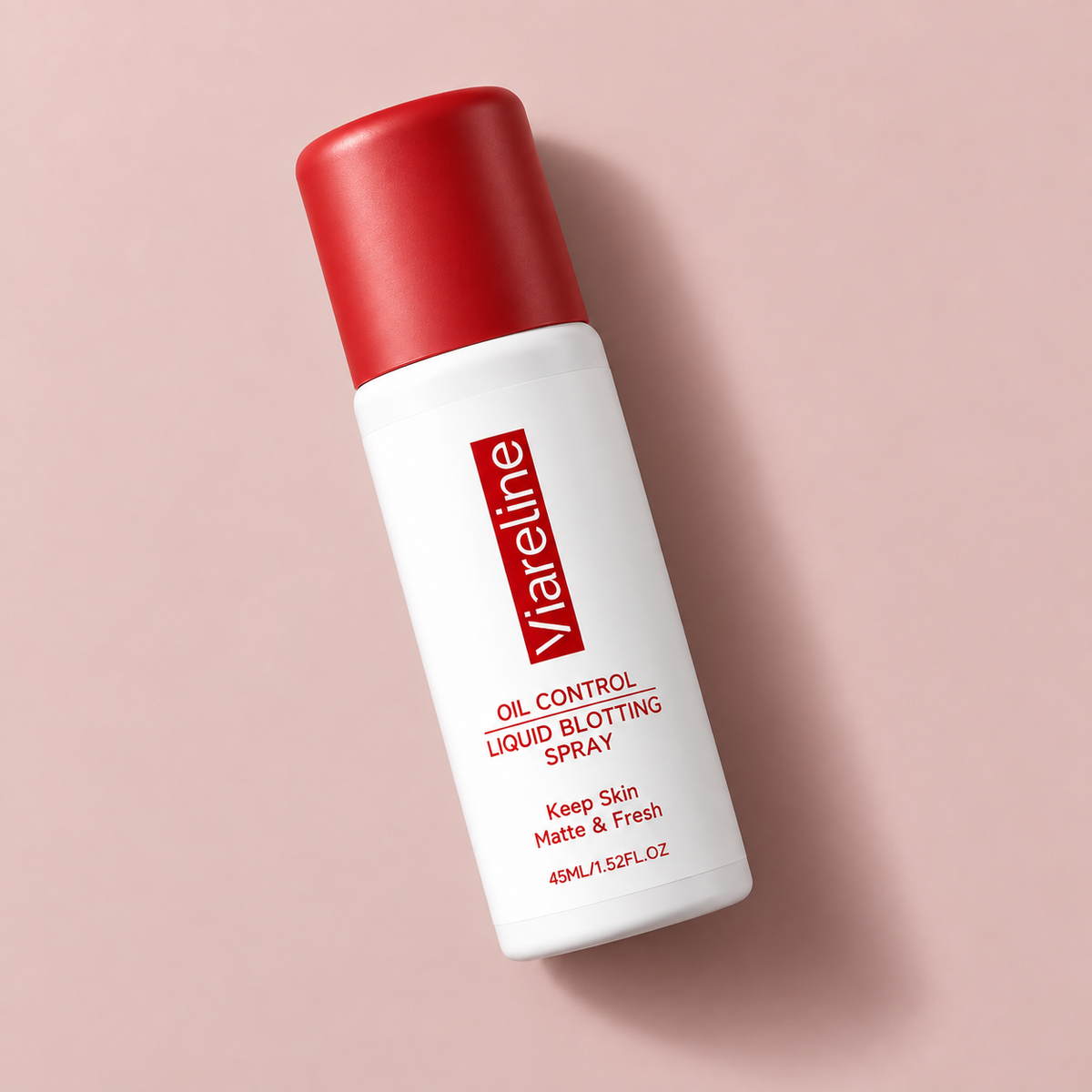
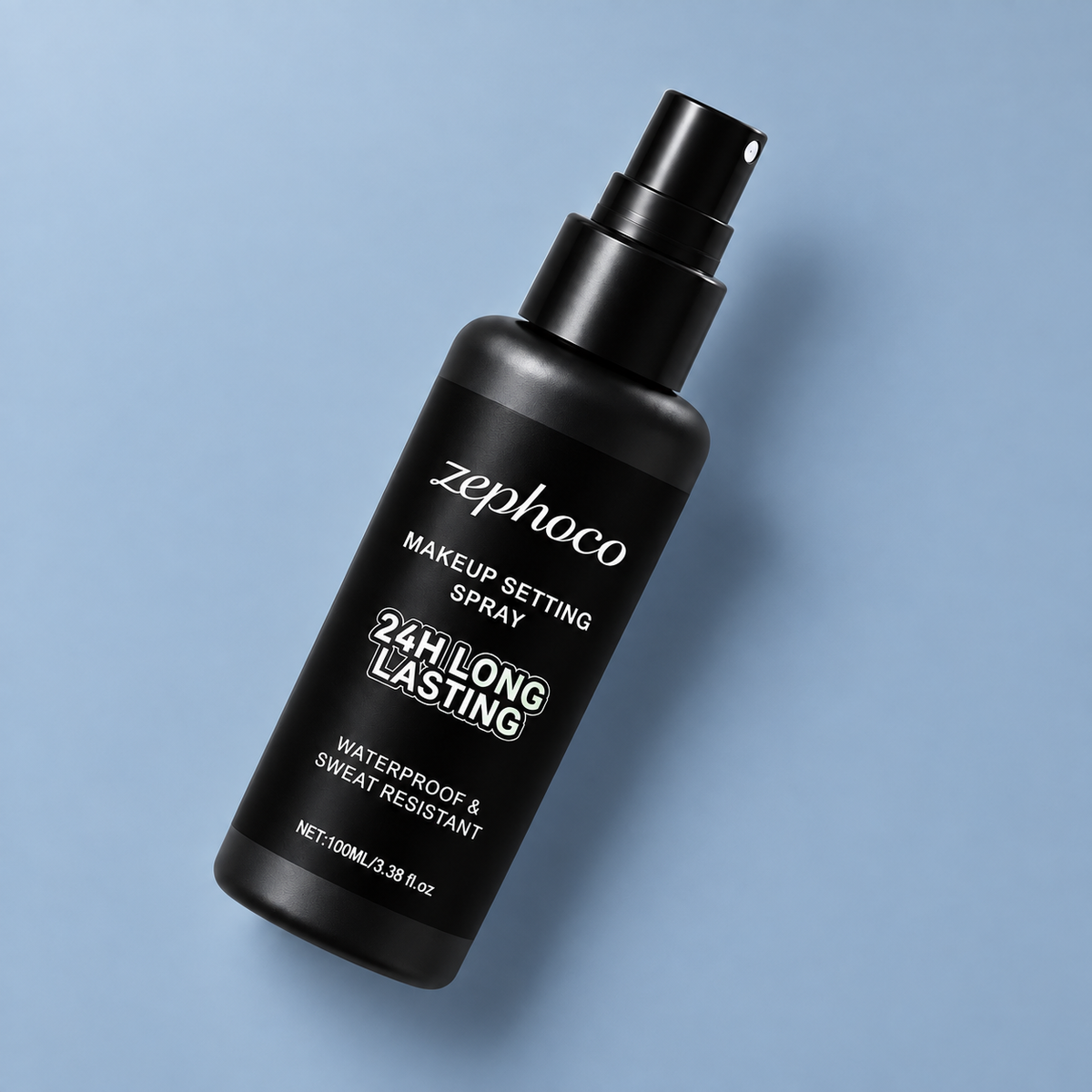
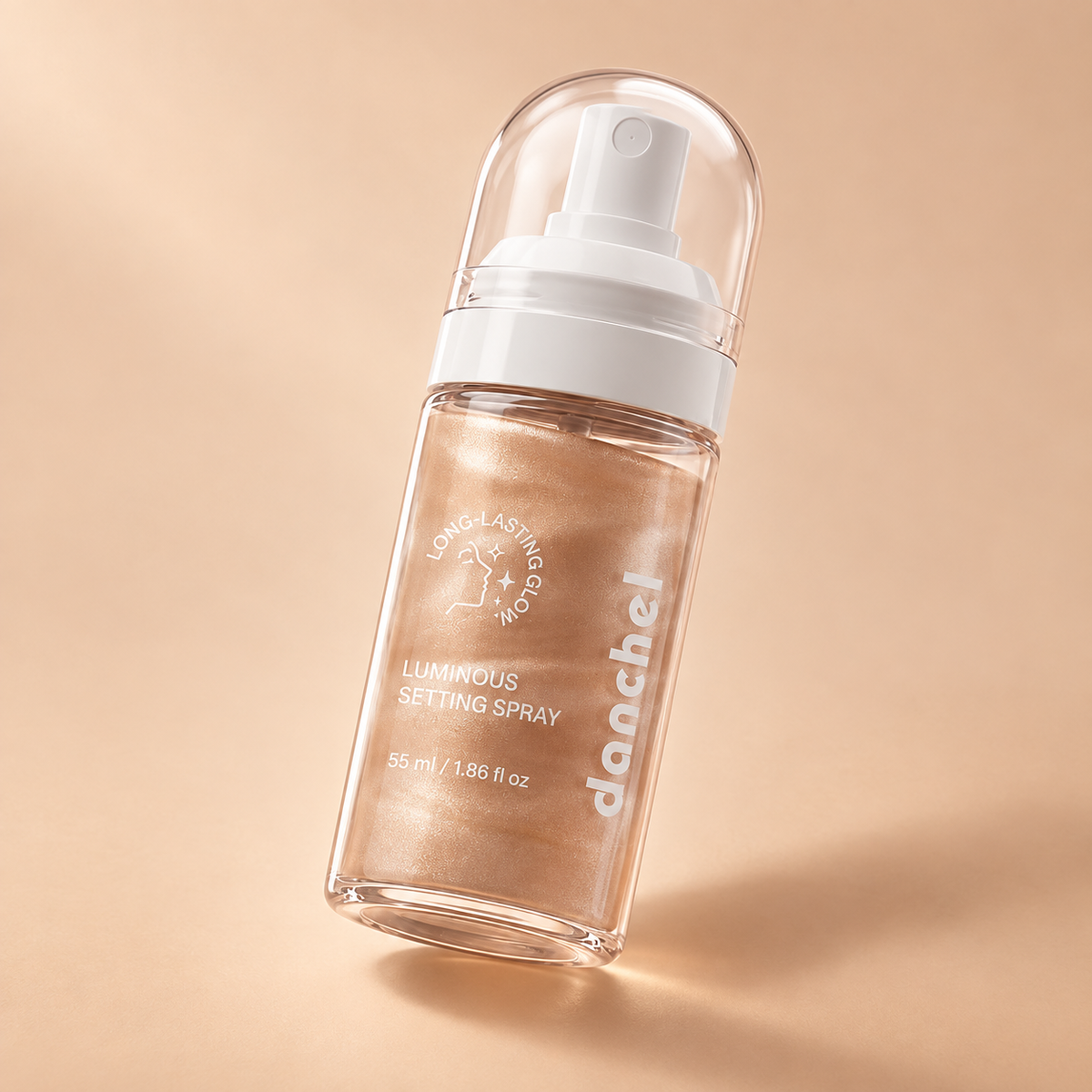


Best Setting Spray for Oily Skin: How to Keep Makeup Looking Fresh, Not Greasy

In the morning, your makeup looks clean, smooth, and freshly blended. A few hours later, your forehead starts to shine, your nose looks greasy, and your T-zone begins to break through your foundation.
If you have oily or combination skin, this can feel familiar. You may reach for more powder, only to find that your makeup starts looking heavy, cakey, or too flat.
So, can the best setting spray for oily skin help makeup stay fresher without making your face feel tight or overloaded? Yes, it can help, but the key is choosing the right formula and using it in the right way.
For oily skin, setting makeup is not about making your face look completely dry. It is about managing visible shine while keeping your makeup fresh, comfortable, and balanced.
Why Does Makeup Get Oily So Quickly?
Oil showing through makeup is completely normal. Your skin naturally produces sebum throughout the day, and that oil can mix with foundation, concealer, sunscreen, skincare, and powder.
Warm weather, humidity, heavy skincare, rich primers, and certain foundation formulas can all make makeup look shiny faster. Sometimes, even using too much powder can make the base look less smooth because product starts to build up on the skin.
This does not always mean your foundation is wrong or your routine has failed. Often, it is the combination of skin oil, makeup layers, and environment that changes how your makeup looks after a few hours.
That is why oily skin needs balance. The goal is not to remove every hint of natural glow, but to control excess shine in a way that still looks fresh and polished.
What Does a Setting Spray Do for Oily Skin?
A setting spray for oily skin is designed to be used after makeup to help support the finished look. It can help makeup layers look more blended, reduce the appearance of excess shine, and keep the complexion looking fresher.
A good makeup setting spray for oily skin may also help soften the look of powder. This is useful if you use setting powder on your T-zone but do not want the rest of your face to look dry or chalky.
However, setting spray does not stop your skin from producing oil. A more realistic way to think about it is this: setting spray can help manage how oily your makeup looks and provide extra setting support.
Avoid expecting one mist to keep your skin oil-free all day. Instead, look for a formula that helps your makeup wear more gracefully.
What Makes a Good Setting Spray for Oily Skin?
The best setting spray for oily skin is not always the strongest or driest formula. For everyday makeup, many people prefer a finish that looks controlled but still natural.
1. A Soft-Matte Finish
Oily skin does not always need an ultra-matte finish. In fact, a formula that is too matte can sometimes make makeup look flat, chalky, or overly dry.
A soft matte setting spray can be a better choice for daily wear. It helps reduce visible shine while keeping the complexion looking fresh and comfortable.
The ideal finish should look controlled, not lifeless. Think fresh matte rather than dry matte.
2. Lightweight Film-Forming Support
Some setting sprays include film-forming ingredients that help makeup sit more smoothly on the skin. One commonly used example is VP/VA Copolymer.
This type of ingredient can provide lightweight makeup-fixing support. It may help makeup stay looking more polished, especially when paired with a thoughtful base routine.
That does not mean it makes makeup completely transfer-proof or oil-proof. The full formula, your skin type, and your makeup layers all matter.
3. Shine Control Without a Heavy Feel
Many oily skin consumers want less shine, but they do not want their face to feel tight, sticky, or coated. A good shine control setting spray should feel lightweight.
Oil control should feel balanced, not harsh. If a formula makes your skin feel uncomfortable, you may be less likely to use it consistently.
Look for setting sprays that describe the finish as matte, soft matte, fresh matte, or shine-control, while still feeling breathable on the skin.
4. Moisture-Supporting Ingredients
Oily skin still needs comfort. Hydration and oil control are not opposites.
Ingredients like glycerin can help support a comfortable skin feel. Hyaluronic acid may provide lightweight moisture support, which can help a matte finish avoid looking too dry.
A good matte setting spray can offer both shine control and moisture comfort. This balance is especially helpful if your skin is oily in the T-zone but normal or slightly dry on the cheeks.
Matte Setting Spray vs. Regular Setting Spray
| Feature | Matte Setting Spray | Regular / Natural Setting Spray |
|---|---|---|
| Best For | Oily or combination skin | Normal or combination skin |
| Main Goal | Reduce visible shine | Blend and refresh makeup |
| Finish | Soft matte or fresh matte | Natural or skin-like |
| T-Zone Control | Stronger focus | Moderate |
| Makeup Feel | Lightweight matte | Natural and comfortable |
| Best Situation | Long days, warm weather, oily areas | Everyday makeup |
A matte setting spray is usually the better option if your makeup becomes greasy-looking quickly. It is designed with shine control in mind.
That said, not every oily skin type needs the most matte finish available. If only your T-zone gets oily, a natural soft-matte formula may be more flattering than a very dry finish.
If you are searching for the best matte setting spray, pay attention to the finish, feel, and formula support, not just the word “matte” on the label.

Setting Spray vs. Setting Powder for Oily Skin
When it comes to setting spray vs setting powder for oily skin, the two products are not competitors. They do different jobs.
Setting powder is best for absorbing surface oil and setting targeted areas. Setting spray is best for finishing the overall makeup look and adding setting support.
A simple rule is: powder where you get oily, spray over the whole face.
For example, you can lightly apply powder to the forehead, nose, around the nose, and chin. Then use a matte setting spray across the full face to help everything look more blended.
This method can reduce the need to keep layering powder throughout the day, which may help makeup look less heavy.
How to Use Setting Spray for Oily Skin
Using setting spray correctly matters. Too much product or the wrong distance can affect how your makeup looks.
- Complete your foundation, concealer, and cream makeup.
- Lightly apply setting powder to oily areas like the T-zone, nose, forehead, and chin.
- Finish the rest of your makeup.
- Shake the setting spray if the product instructions recommend it.
- Hold the bottle about 8–12 inches away from your face.
- Close your eyes and mist evenly across your face.
- Let the mist air-dry naturally without touching your skin.
This routine helps you get targeted oil control from powder and a more finished look from spray.
Common Setting Spray Mistakes Oily Skin Should Avoid
Using Too Much Product
More spray does not always mean better oil control. Over-misting can make makeup feel wet, sticky, or uneven.
A few even sprays are usually enough. Let the product settle before deciding whether you need more.
Applying Too Close to the Face
If the bottle is too close, the mist may land in large droplets. This can disturb foundation or create uneven spots.
Holding the spray about 8–12 inches away helps create a softer, more even mist.
Over-Powdering Before Spray
Powder is helpful, but too much can make makeup look cakey. When setting spray goes over heavy powder, it may soften the surface but cannot always fix product buildup.
Use powder only where you truly need oil control.
Choosing Only by the Word “Matte”
The word matte is useful, but it is not the whole story. Look at the full formula, the finish, the skin feel, and whether the spray offers lightweight setting support.
A comfortable soft matte finish is often more wearable than an extremely dry finish.
Reapplying Powder Every Time Oil Appears
If shine appears during the day, do not immediately add more powder. First, gently press with blotting paper or tissue to remove excess oil.
Then decide whether you need a light powder touch-up or a small refresh with setting spray.
What Ingredients Should You Look for in an Oily Skin Setting Spray?
Ingredients can help you understand what a formula is designed to do, but no single ingredient determines the entire result. The complete formula matters most.
VP/VA Copolymer can provide lightweight film-forming support to help makeup stay in place. It is commonly used in products that aim to support makeup wear.
Glycerin can help support moisture comfort, which is useful when you want a matte finish that does not feel unnecessarily dry.
Hyaluronic acid can help maintain lightweight hydration and comfort. For oily skin, this can make a soft-matte finish feel more flexible and less tight.
1,2-Hexanediol may appear as a supporting ingredient in cosmetic formulas. It should not be treated as the main oil-control ingredient, but it can be part of a well-rounded formula.
Who Should Choose a Matte Setting Spray?
A matte setting spray may be a good choice if your skin is oily, combination, or shiny mainly through the T-zone. It can also be helpful if your foundation starts looking greasy after several hours.
It is especially useful for warm weather, humid days, long workdays, parties, outdoor events, or anytime you want a fresher soft-matte complexion.
If you are looking for a setting spray for combination skin, consider where you get oily. You may want a soft-matte spray rather than a very dry formula, especially if your cheeks are normal or slightly dry.
For very dry skin, a hydrating glow or everyday natural setting spray may be more comfortable than a matte control option.
What Should Oily Skin Avoid?
If your main goal is to reduce visible shine, you may want to be careful with extremely dewy finishes, very luminous setting sprays, and heavy-feeling formulas.
This does not mean dewy setting sprays are bad. They simply may not match the finish you want if your makeup already becomes shiny quickly.
You may also want to avoid overly rich skincare under makeup, too many layers of powder, and formulas that feel sticky or heavy on your skin.
If you are searching for a setting spray for oily skin and large pores, avoid expecting a spray to erase texture. Instead, look for a soft-matte finish that helps makeup look smoother and less shiny, especially when paired with good skin prep and targeted powder.

How to Choose the Best Setting Spray for Your Oily Skin
Choosing the best setting spray for oily skin comes down to three things: skin type, finish, and wear needs.
Choose soft matte if you want to reduce shine but still keep your makeup looking natural. This is often the most wearable choice for everyday makeup.
Choose stronger longwear support if you need makeup for long workdays, parties, outdoor events, warm weather, or longer wear.
Choose a natural finish if your skin is only oily in certain areas and you do not want the whole face to look matte.
The right product should help your makeup look fresh, balanced, and less greasy-looking without making your skin feel uncomfortable.
Oily Skin Setting Routine
For most oily or combination skin types, a balanced routine works better than layering product over product.
Try this order:
Primer → Foundation → Targeted Powder → Makeup → Matte Setting Spray
Use primer where it helps your makeup grip. Apply foundation in thin, even layers. Add setting powder only to oily areas, then finish the full face with a matte or soft-matte setting spray.
This routine can help with how to keep makeup from getting oily and how to make makeup last on oily skin without making your base look too thick.
The goal is not primer, powder, more powder, spray, and more powder. The goal is smart placement.

Looking for a Setting Spray for Oily Skin?
Forosecare curates beauty products based on real makeup needs, including excess shine, oily-looking T-zones, soft-matte finishes, and lightweight everyday wear.
The Forosecare Matte Control direction focuses on setting sprays selected for oily and combination skin concerns. A formula direction such as VP/VA Copolymer, glycerin, and hyaluronic acid can support the idea of lightweight film-forming support, matte finish, and moisture comfort.
Think of it as: less shine, more fresh-looking makeup.
At Forosecare, product selection is not about pushing every product to every person. It is about helping you find the finish that makes sense for your skin, your makeup, and your day.
FAQ
Is setting spray good for oily skin?
Yes, setting spray can be helpful for oily skin when you choose the right formula. A matte or shine-control setting spray can help makeup look fresher and less greasy-looking. It will not stop your skin from producing oil, but it can support your makeup finish and help reduce the appearance of excess shine.
Is matte setting spray better for oily skin?
A matte setting spray is often a better choice for oily skin because it focuses on reducing visible shine. However, you do not always need an ultra-matte finish. Many people with oily or combination skin prefer a soft-matte setting spray because it looks controlled but still natural.
Can setting spray stop my face from getting oily?
No setting spray can stop natural oil production. A realistic expectation is that it can help manage how oily your makeup looks. For best results, pair setting spray with lightweight skin prep, a compatible foundation, and targeted powder on areas that get shiny.
Should oily skin use setting powder before setting spray?
In many cases, yes. Setting powder helps absorb surface oil in targeted areas, while setting spray helps finish the full makeup look. A good method is to powder the T-zone, nose, forehead, and chin, then mist setting spray over the whole face.
Can I use setting spray without powder if I have oily skin?
You can, especially if your skin is only mildly oily or you prefer a lighter makeup routine. However, if your T-zone gets shiny quickly, setting powder may give you better targeted control. Setting spray alone usually works best for light makeup days or combination skin with minimal oil breakthrough.
How often can I reapply setting spray?
You can reapply setting spray when your makeup needs refreshing, but avoid over-saturating the face. If oil has built up, blot first before spraying again. This helps prevent makeup from feeling heavy or uneven.
Why does my makeup still get oily after using setting spray?
Your skin may be producing oil throughout the day, or your skincare, primer, foundation, and environment may be affecting wear. Setting spray helps support the finished look, but it works best as part of a complete routine. Try lighter skin prep, targeted powder, and a soft-matte spray.
Conclusion
The best setting spray for oily skin is not simply the driest or strongest formula. It is one that helps manage visible shine, supports makeup wear, maintains a fresh soft-matte finish, and feels lightweight on the skin.
For oily and combination skin, the goal is not to make your face look completely dry. The goal is to keep makeup looking balanced, fresh, and polished.
At Forosecare, we believe the right setting product should work with your skin and your makeup, not against them. Beauty Selected With Care.